
Actor Boundary Model
1. Introduction: The Async Interference Problem
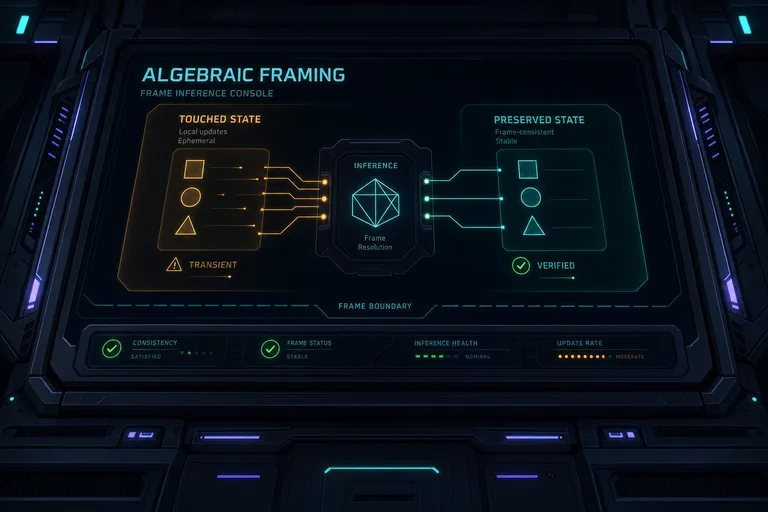
Algebraic Framing
1. Introduction: The Frame Problem in Smart Contracts

Resource Logic
1. Introduction: Assets in a Non-Linear Language

Semantic Bridge
1. One Source, Two Verification Lanes

Collection Axioms
1. Introduction: The Accounting Challenge

Async Error Recovery
1. Introduction: The Partial Failure Problem

SMT Engineering
1. Introduction: The "SMT Heat" Problem

Modular Verification
1. Introduction: The Generics Challenge

Trusted Base
1. Introduction: The "Roots of Trust" in a Total Adversary Model

Code Identity
1. Introduction: The "Double-Compiler" Problem

Higher-Order Verification
1. Introduction: The Higher-Order Challenge

Specification Ergonomics
1. Introduction: The "Async Gap" in Specification

State of the Art
1. Introduction: The Formal Verification Landscape

AI Benchmark
1. The Crisis in AI Software Benchmarking

Big Picture
1. The Scaling Race: Supply vs. Infrastructure

Reasoning Evidence
1. The Bitcoin Paradigm: Energy into Trust
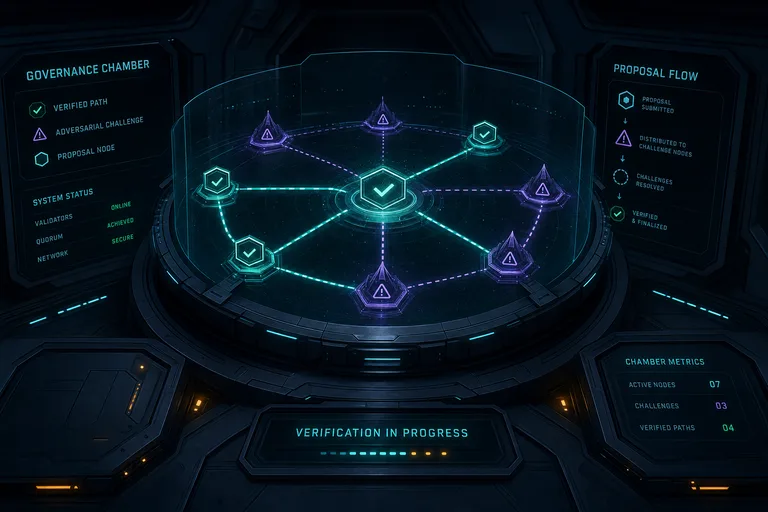
Sector9 DAO
1. Concept: Total Adversity
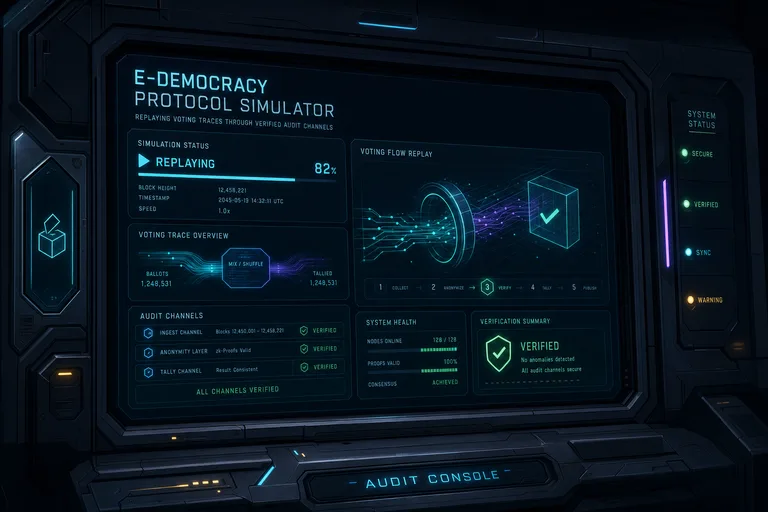
E-Democracy
This document demonstrates how Sector9’s TLA+ bridge can detect protocol-level exploits that traditional testing often misses. The "Visual Trace Replay" pieces below are product-facing mockups, not a shipped UI guarantee. For source-level checks, the same protocol should still use entry guards, regular contracts, and actor invariants.

Game Theory
1. Introduction: Trust as an Emergent Property
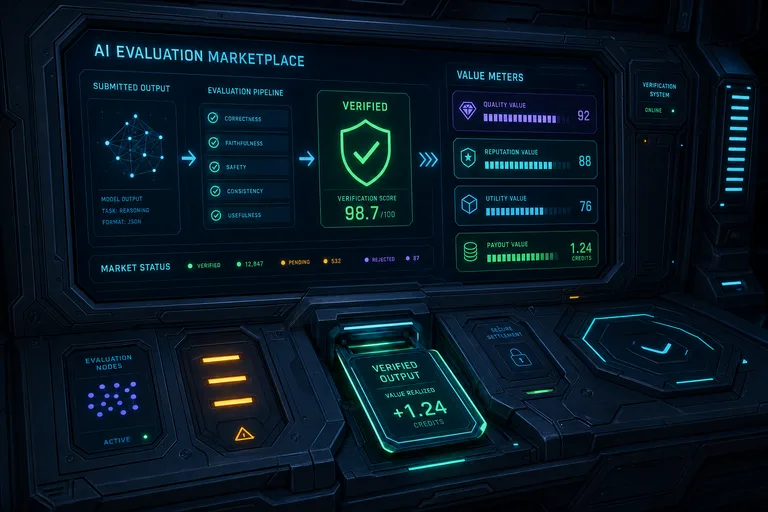
Verified AI Monetization
The strategic goal is to position Sector9 as a verification and evaluation layer
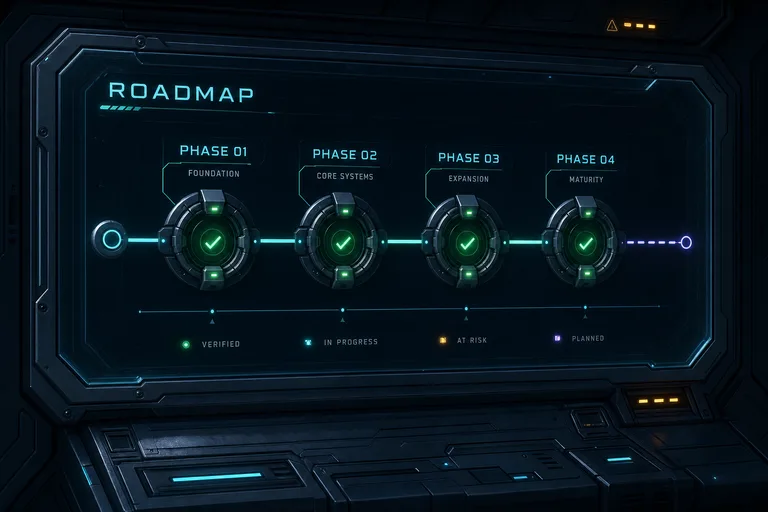
Roadmap
Based on a deep-dive review of the Sector9 repository, these are high-priority recommendations for further development. Implementing these would reduce trusted assumptions, improve developer experience, and make the toolchain more credible for high-stakes protocol security.

Strategic Evaluation
This document provides a subjective "0 to 10" comparison of Sector9 against leading languages and platforms in the formal verification (FV) and smart contract landscape. It is a strategic positioning matrix, not a reproducible benchmark. The scores are weighted across four dimensions: Soundness (Safety), Asynchronous/Protocol Safety, Developer Ergonomics (DX), and Protocol Expressiveness.
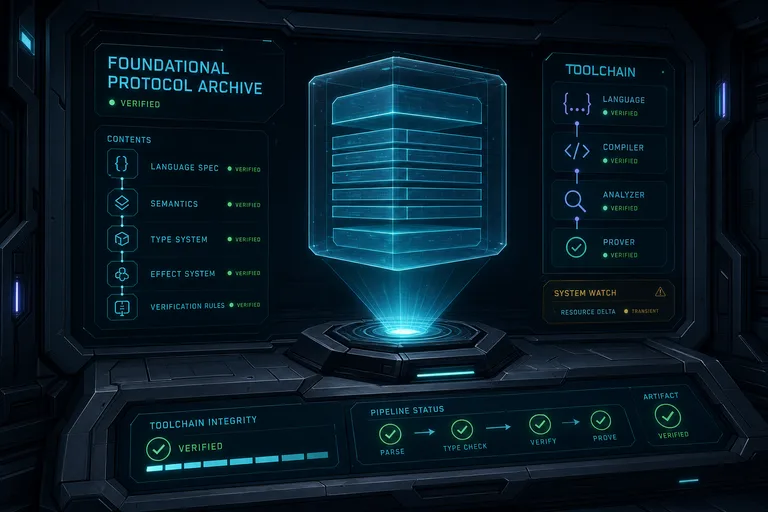
Strategic Overview
1. Executive Summary